

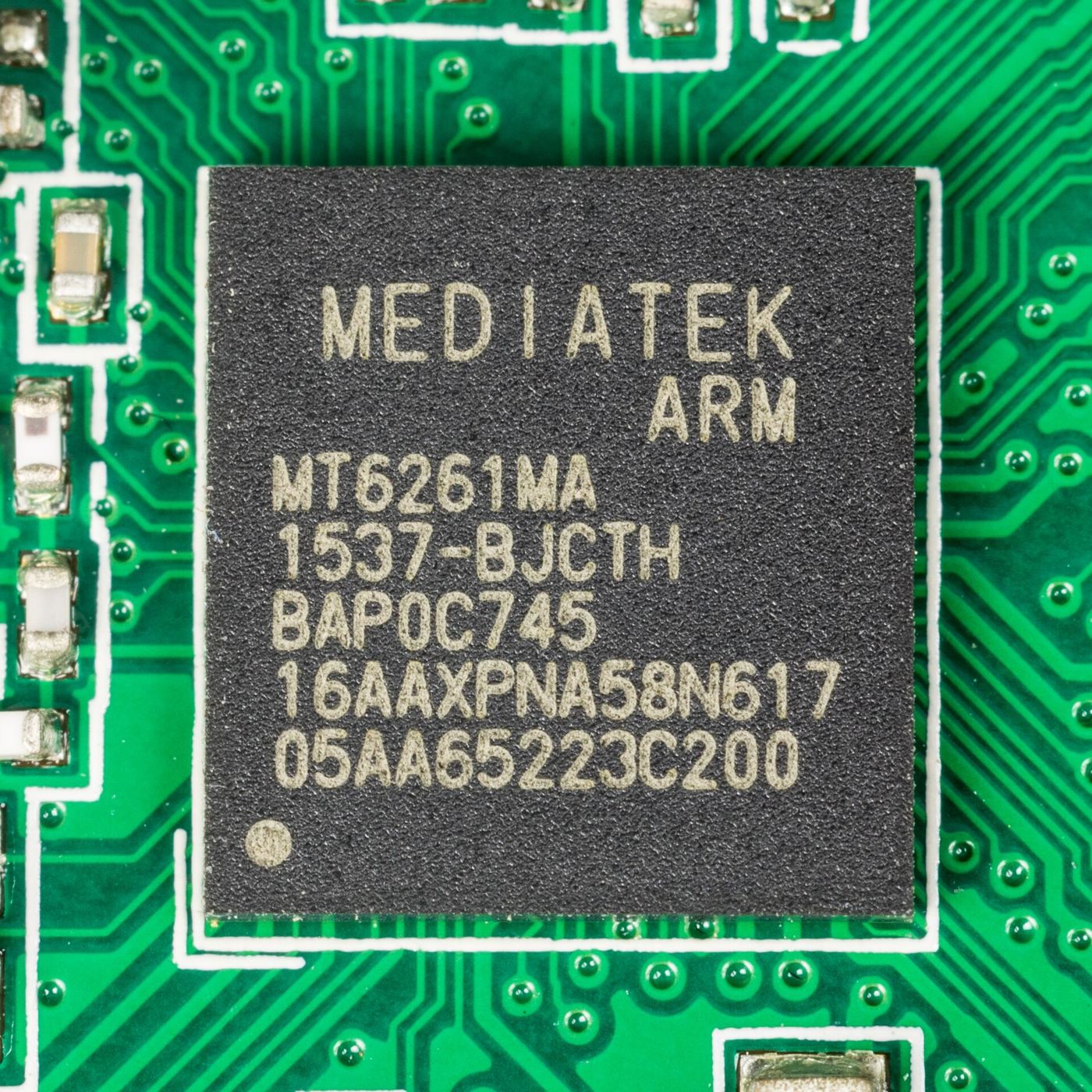
The newest smartphone processors are shifting artificial intelligence tasks from distant cloud servers onto the device itself, changing how phones handle photos, translation and voice assistance. On device processing responds faster and keeps sensitive information private, since images and recordings do not need to leave the handset for basic tasks. Chip designers have added dedicated neural engines that perform these calculations while using relatively little battery power. Manufacturers say the change will define the next upgrade cycle. Specialists following on-device AI smartphone chips say mid range phones will gain features that were recently limited to premium models. Live call translation, instant photo editing and smarter keyboard suggestions are among the first benefits reaching wider audiences. Developers are rewriting apps to split work between the phone and the cloud depending on complexity and connection quality. Battery testing will be crucial, because heavy AI use can drain power and generate heat. Reviewers are developing new benchmarks that measure sustained performance rather than short bursts, giving buyers a clearer picture of real world capability.
What the Evidence Shows
Privacy advocates welcome local processing but note that transparency still matters. Users should know which tasks stay on the phone, which go online and how long any transferred data is kept. Clear settings and simple explanations will help people make informed choices. Chip supply also shapes availability, with the most advanced manufacturing capacity concentrated among a few producers. Phone brands are securing orders earlier to avoid launch delays. For consumers, the practical advice is to judge AI features by usefulness rather than headline numbers. A reliable voice assistant, accurate transcription and fast photo search deliver daily value, while novelty effects fade quickly. Software support periods are lengthening too, meaning these chips must handle future features for years. That longevity focus could slow replacement cycles and reduce electronic waste. As competition intensifies, on device intelligence is becoming a standard expectation rather than a premium extra for new smartphones. Reporting and analysis from sources such as IEEE Spectrum track the same developments, and specialists following on-device AI smartphone chips say the direction is now consistent across independent lines of evidence.
The Wider Context
Adoption of on-device AI smartphone chips follows a familiar pattern with an unfamiliar speed. Early users tolerate rough edges in exchange for advantage, mainstream users arrive when the tool disappears into existing workflows, and the market consolidates around whoever made that transition feel effortless. Vendors are racing less on raw performance now than on integration, support and trust.
What Happens Next
The realistic forecast for on-device AI smartphone chips is steady integration rather than sudden replacement: embedded in products people already use, improving in increments, and regulated in proportion to its reach. The companies and institutions that plan on that basis, training staff and redesigning processes instead of chasing launches, are the ones the adoption data tends to vindicate. You can follow related developments in our coverage of technology.
It is also worth remembering how quickly the picture in this area has changed before. Positions that looked settled a few years ago have been revised as new data arrived, and the same humility is appropriate now. The strongest coverage of this subject, and the most useful advice, tends to come from sources that update their views openly when the facts move, rather than defending an earlier position long after it has stopped fitting the evidence available.
