

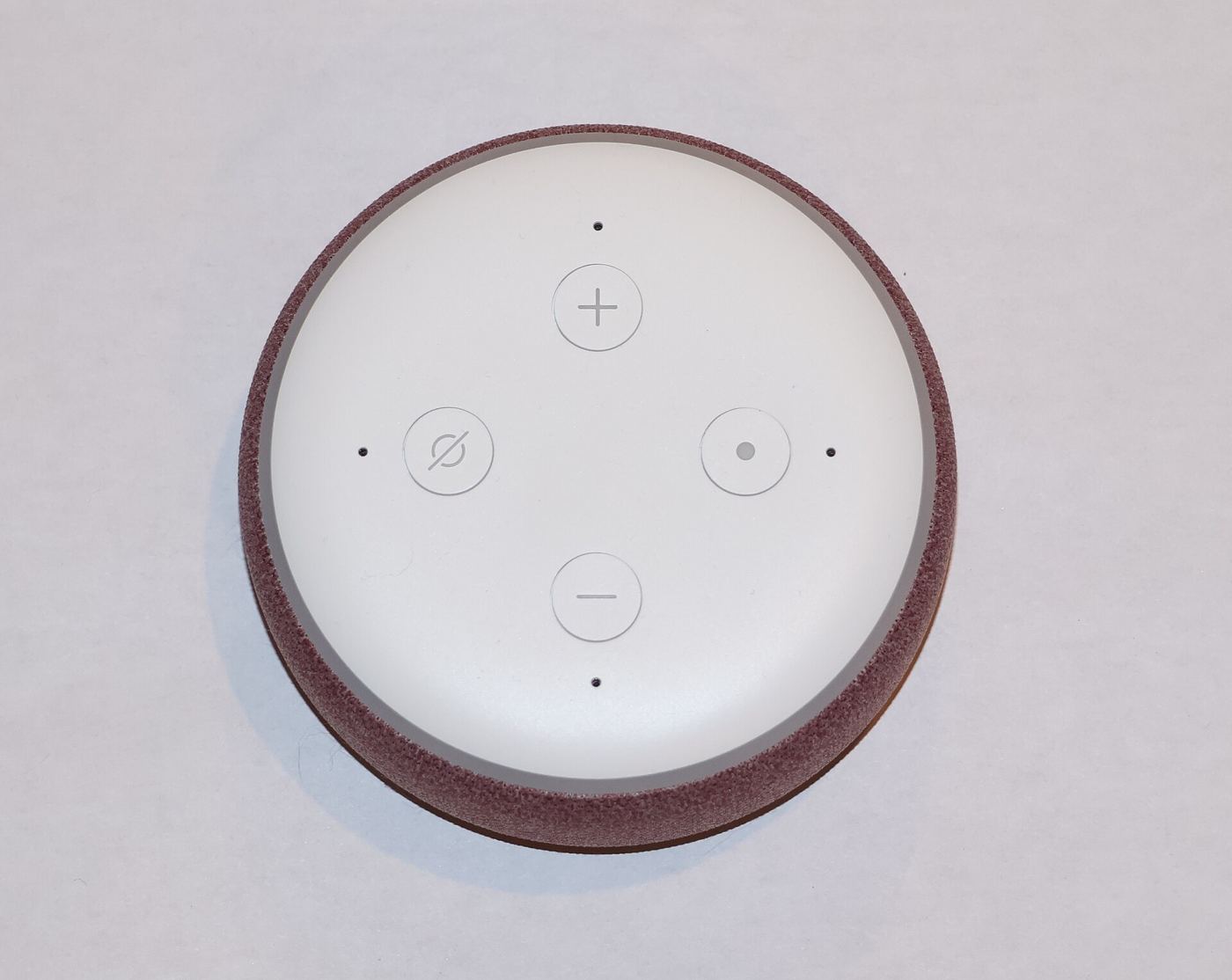
Anyone who has bought smart home devices from different brands knows the frustration of juggling separate apps, accounts and voice assistants that do not quite agree with one another. A shared connectivity standard known as Matter was created to ease that problem, allowing lights, locks, sensors and speakers from different makers to be set up and controlled in a more consistent way. For households, the benefit is practical rather than glamorous: a door sensor bought this year should still work with a hub bought last year. Retailers are beginning to label compatible products more clearly, helping buyers avoid expensive mistakes and abandoned gadgets. For renters, easier setup is especially welcome, since devices can be added without rewiring and taken along when moving to a new home or flat.
What the Evidence Shows
The transition will take time, because older devices remain in homes and not every product category is fully covered by the standard yet. Setup is also only part of the story, since a compatible device can still be let down by weak Wi Fi or confusing software. Consumer groups advise checking whether a device keeps working locally if the internet fails, and whether security updates are promised for a reasonable period. Manufacturers, for their part, are competing more on reliability, design and support instead of locking customers into a single ecosystem. If the standard matures as intended, smart homes should become easier to extend, repair and eventually pass on to the next occupant. Standards bodies continue to publish updates, and manufacturers who keep older products supported are likely to earn the loyalty that this market has often lacked. Reporting and analysis from sources such as IEEE Spectrum track the same developments, and specialists following interoperability standards for smart home devices say the direction is now consistent across independent lines of evidence.
The Wider Context
Adoption of interoperability standards for smart home devices follows a familiar pattern with an unfamiliar speed. Early users tolerate rough edges in exchange for advantage, mainstream users arrive when the tool disappears into existing workflows, and the market consolidates around whoever made that transition feel effortless. Vendors are racing less on raw performance now than on integration, support and trust.
What Happens Next
The realistic forecast for interoperability standards for smart home devices is steady integration rather than sudden replacement: embedded in products people already use, improving in increments, and regulated in proportion to its reach. The companies and institutions that plan on that basis, training staff and redesigning processes instead of chasing launches, are the ones the adoption data tends to vindicate. You can follow related developments in our coverage of technology.
It is also worth remembering how quickly the picture in this area has changed before. Positions that looked settled a few years ago have been revised as new data arrived, and the same humility is appropriate now. The strongest coverage of this subject, and the most useful advice, tends to come from sources that update their views openly when the facts move, rather than defending an earlier position long after it has stopped fitting the evidence available.
