

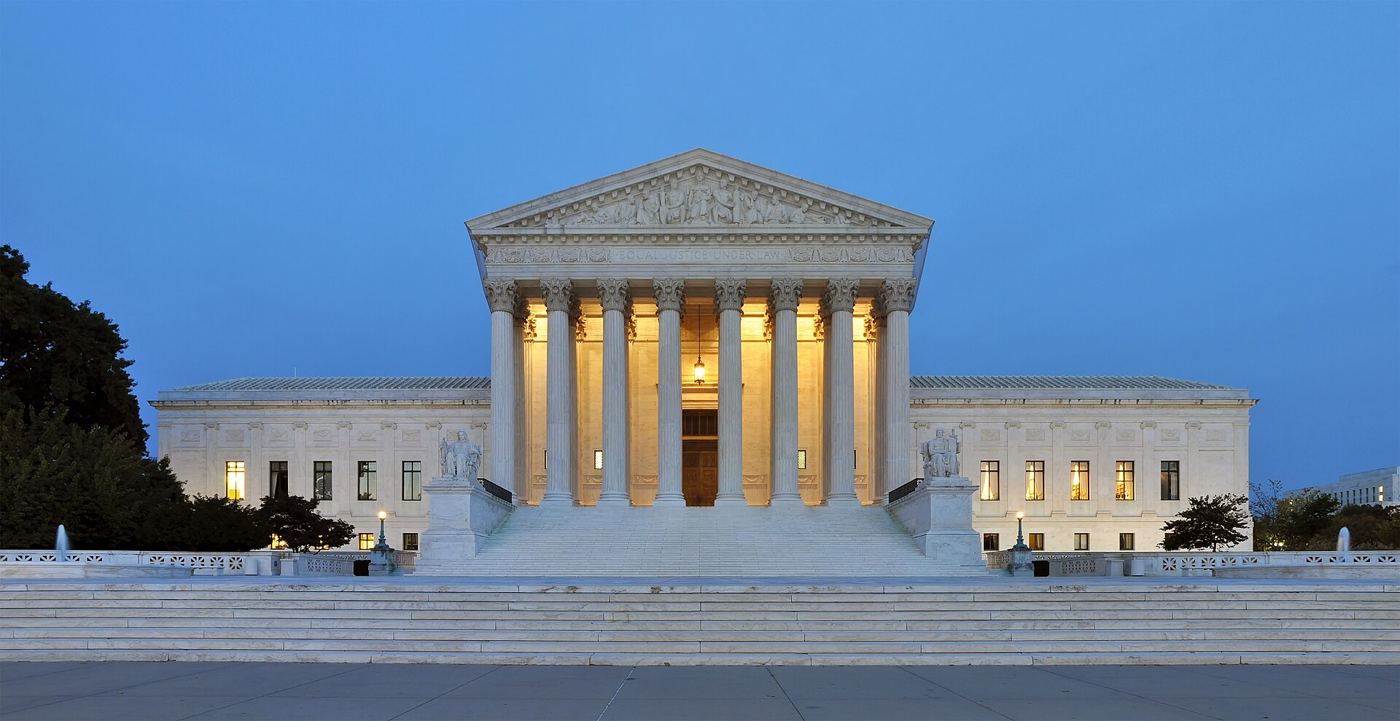
The fate of President Donald Trump’s sweeping tariffs reached the US Supreme Court on 5 November 2025, in one of the most consequential economic cases in years. The justices heard more than two and a half hours of argument, against 80 minutes scheduled, in two consolidated cases, Learning Resources v. Trump and Trump v. V.O.S. Selections, brought by small businesses and a coalition of states. At issue is whether the International Emergency Economic Powers Act of 1977, a law that says nothing about tariffs, authorises the president to impose them, and whether Congress could lawfully hand that power over. Three lower courts had already ruled that the law does not authorise the tariffs. The tariffs in question include the fentanyl-related duties on China, Canada and Mexico and the worldwide reciprocal tariffs announced in April 2025, which the administration imposed by declaring national emergencies over drug trafficking and persistent trade deficits. Justices from both wings of the court sounded sceptical of the government’s case, pressing the solicitor general to point to any other place in the law where ‘regulate importation’ had ever been read as a power to tax.
What the Evidence Shows
The stakes are enormous. American businesses have already paid billions of dollars under the tariffs, and a ruling against the government would raise the question of whether that money must be refunded, a problem Justice Amy Coney Barrett pressed the challengers on directly. Businesses are already adapting, with some importers stockpiling goods, others shifting suppliers, and many passing the extra cost to customers through higher prices. A decision is expected quickly, possibly before the end of 2025, because both sides sought expedited treatment. If the tariffs fall, the administration would need Congress to impose them instead, which would be a very different political exercise. If they survive, the ruling would confirm a sweeping presidential power over trade. Either way, the case will shape how America taxes imports, and how much power future presidents have to do it alone. Reporting and analysis from sources such as World Bank track the same developments, and specialists following Supreme Court tariff case say the direction is now consistent across independent lines of evidence.
The Wider Context
For households and small firms, Supreme Court tariff case matters through prices and access rather than through market commentary. Changes at this level arrive as a rate on an offer letter, a fee on a statement or a product that quietly disappears from a comparison table. Consumer groups argue that transparency at exactly that point of decision is worth more than any amount of market-level reporting.
What Happens Next
The outlook for Supreme Court tariff case hinges on policy choices that will be made in the open over the coming quarters. Market participants are positioned for more than one outcome, which is why the immediate reaction to each announcement has been smaller than the commentary around it. For ordinary savers and borrowers, the advice from every quarter is the same: review your own position, not the headlines. You can follow related developments in our coverage of finance.
It is also worth remembering how quickly the picture in this area has changed before. Positions that looked settled a few years ago have been revised as new data arrived, and the same humility is appropriate now. The strongest coverage of this subject, and the most useful advice, tends to come from sources that update their views openly when the facts move, rather than defending an earlier position long after it has stopped fitting the evidence available.
