

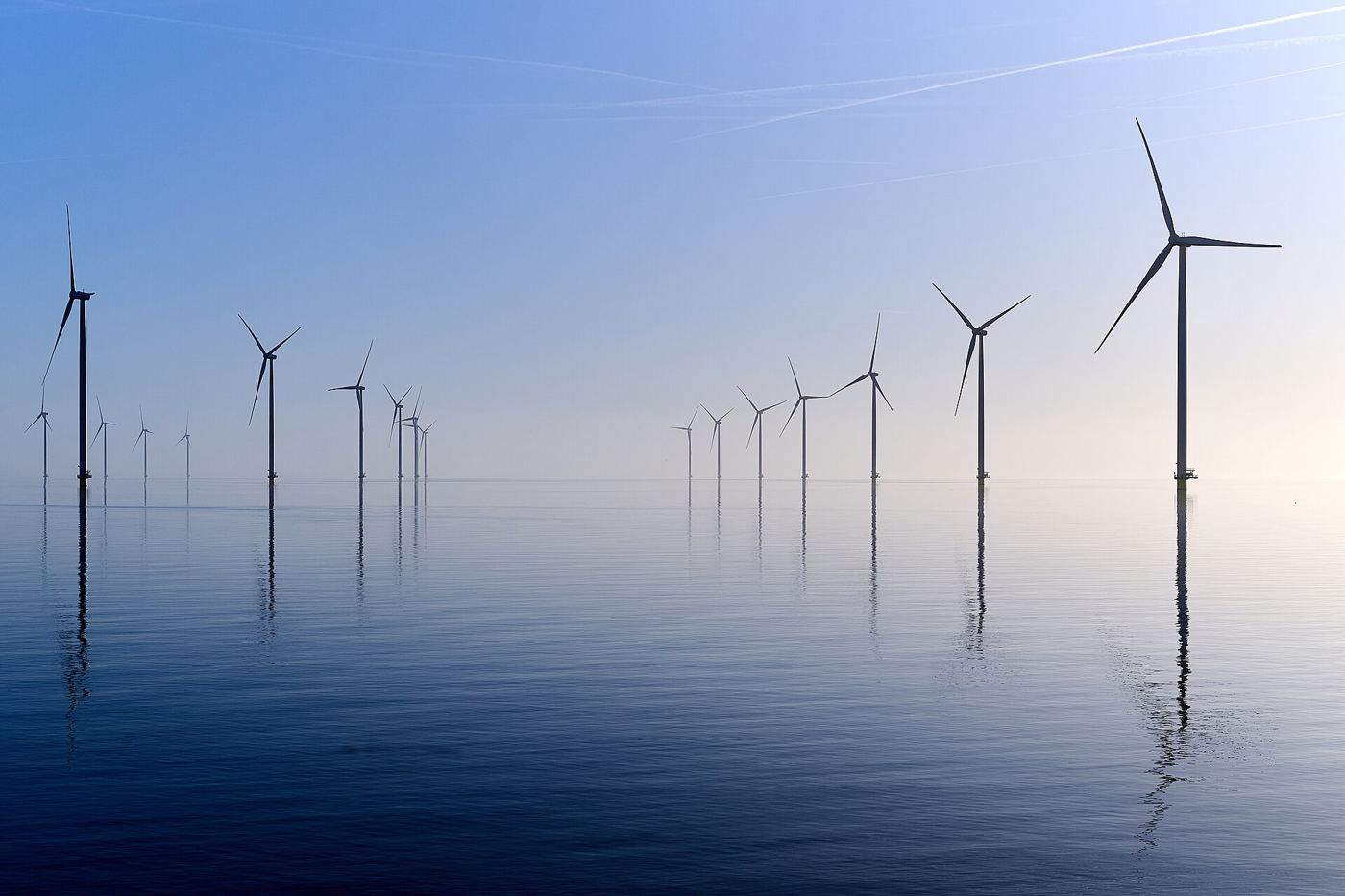
Green bonds have become one of the main ways emerging economies raise money for clean energy, with governments and companies selling debt that is earmarked for wind farms, solar plants, clean transport and energy-efficient buildings. The market has grown rapidly, as investors looking for both returns and environmental impact buy the bonds, and as borrowers welcome a new source of funding beyond traditional bank loans. For a developing country, a green bond can finance a solar plant that would otherwise wait years for funding, bringing power to homes and businesses sooner. The bonds also carry a discipline: the borrower must report on how the money was spent and what it achieved, which gives investors a clearer view than a general loan. Supporters say the market shows that finance can move quickly when the purpose is clear and the returns are sound. New issues arrive regularly now, and the range of borrowers keeps widening each year.
What the Evidence Shows
The market still faces questions about standards and scale. Investors want to be sure that a bond labelled green genuinely funds clean projects, and independent checks are becoming a normal part of the process. Currency risk is another issue, since many emerging-market borrowers raise money in dollars or euros but earn revenue in local currency, so a sharp fall in the exchange rate can make repayment harder. Some countries are now issuing green bonds in their own currency, with development banks helping to attract buyers. Analysts say the amounts raised are still small compared with the investment needed to transform energy systems, but the market is growing each year. If standards hold and costs fall, green bonds could become a routine part of how emerging economies pay for cleaner power. Reporting and analysis from sources such as International Monetary Fund track the same developments, and specialists following green bond energy transition finance say the direction is now consistent across independent lines of evidence.
The Wider Context
The wider context is a financial system repricing risk after a long era of cheap money. Decisions shaped by green bond energy transition finance are being made under closer supervisory attention, with stress tests and disclosure rules that assume conditions can worsen quickly. Institutions that planned for the benign case are adjusting in public, which is uncomfortable and healthy in equal measure.
What Happens Next
What happens next with green bond energy transition finance will be visible first in the data that professionals watch weekly: flows, spreads and the terms on new deals. Participants who spoke for this article expect a period of adjustment rather than drama, with the biggest effects landing on those who assumed the old conditions were permanent. Planning, as ever, is the cheapest hedge. You can follow related developments in our coverage of finance.
There is a practical lesson in all of this for readers deciding what to do today. Start with the verified facts, be wary of anyone promising certainty, and prefer reversible steps while the evidence is still developing. Circumstances differ by country, income and personal situation, so general guidance should always be weighed against your own context before you act on it in any significant or lasting way.
