

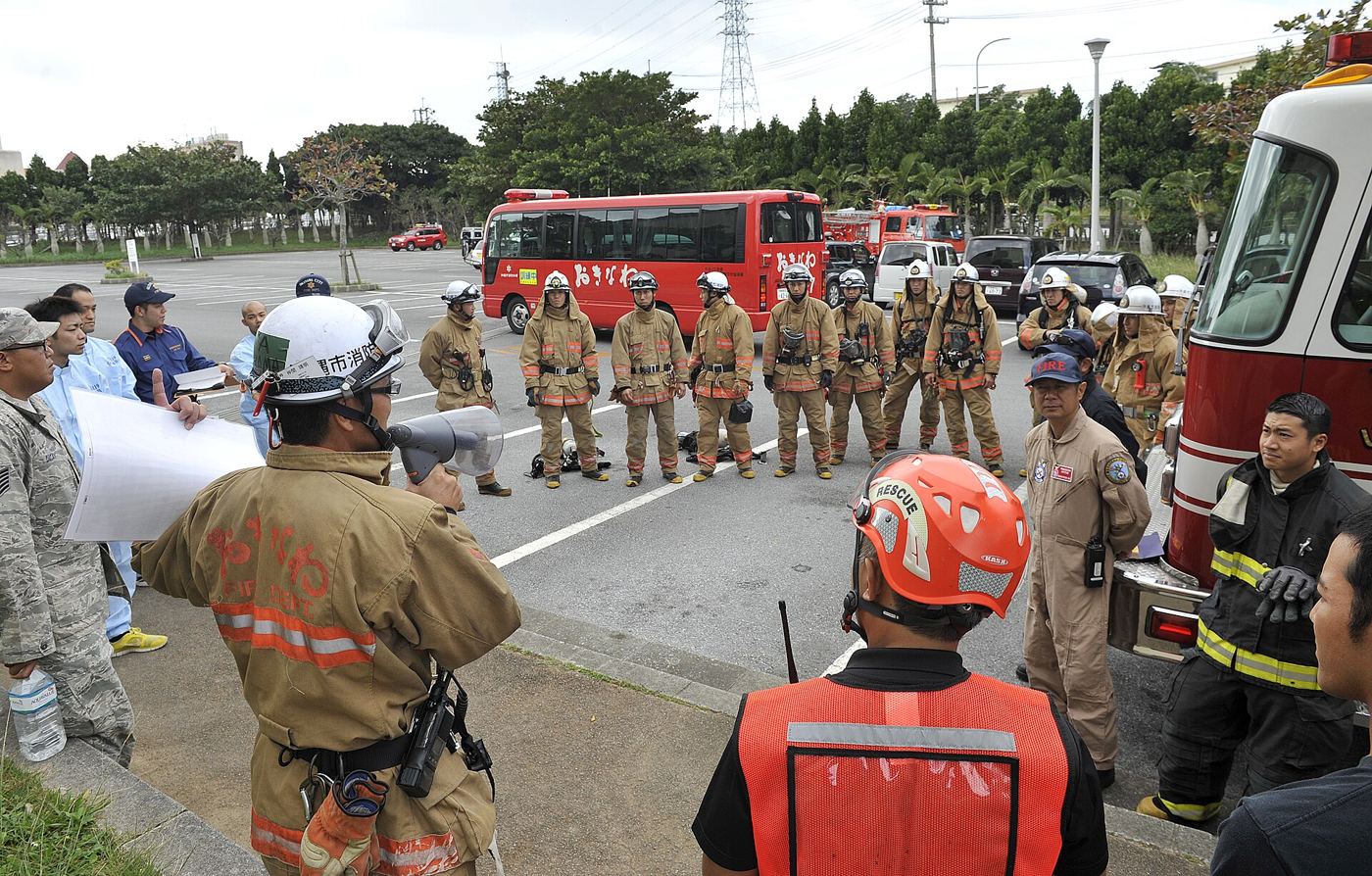
On a training ground at the edge of the city, firefighters in full protective kit are learning how a burning electric vehicle behaves differently from a petrol car fire. Battery packs can reignite hours after flames appear to be out, and damaged cells release gases that demand careful ventilation and long cooling with large volumes of water. Instructors use a stripped training vehicle so crews can practise locating the battery, isolating power, and protecting nearby cars.
What the Evidence Shows
The exercises also cover what to tell bystanders, because curious onlookers often drift closer with phones out while crews are trying to establish a safe working cordon around the vehicle. After the flames are controlled, trainees practise thermal imaging checks and plan how the vehicle will be watched or transported without risking a second fire at a recovery yard. Fire services say the skills apply to buses, delivery vans, and cars alike as electric fleets grow. Reporting and analysis from sources such as Associated Press track the same developments, and specialists following firefighter electric vehicle fire training say the direction is now consistent across independent lines of evidence.
The Wider Context
Regional and local reporting on firefighter electric vehicle fire training often tells a different story from national coverage, because the effects land unevenly: one town’s pilot is another’s distant proposal. Analysts who follow the subject full-time read the local data first, arguing that national averages conceal the variation that decides whether a policy or a project deserves to spread.
What Happens Next
The longer story of firefighter electric vehicle fire training is still being written by the people closest to it, whose experience rarely matches the earliest predictions of either supporters or critics. Reporting will continue to follow the evidence as it accumulates, including where it complicates today’s account. That is the deal serious coverage makes with its readers, and it holds for this subject as for any other. You can follow related developments in our coverage of news.
It is also worth remembering how quickly the picture in this area has changed before. Positions that looked settled a few years ago have been revised as new data arrived, and the same humility is appropriate now. The strongest coverage of this subject, and the most useful advice, tends to come from sources that update their views openly when the facts move, rather than defending an earlier position long after it has stopped fitting the evidence available.
None of this will be settled by a single announcement, study or product launch. The pattern to watch is accumulation: independent confirmations, honest reporting of failures and steady improvement in the underlying numbers. Readers who follow those signals, rather than the loudest claim of the week, will understand this subject better than most of the commentary surrounding it suggests is possible.
